
Embark on a journey through the realm of learning disabilities with this collection of insightful articles. From defining the challenges to exploring strategies for success, this topic sheds light on the triumphs and tribulations of those with learning disabilities.
Discover the nuances of various types of learning disabilities and how they impact individuals, alongside real-life examples of resilience and achievement.
Introduction to Learning Disabilities
Learning disabilities refer to neurological differences that affect the way an individual processes information. These difficulties can impact various aspects of learning, such as reading, writing, math, and comprehension.
Types of Learning Disabilities
- Dyslexia: Affects reading and language processing.
- Dyscalculia: Impacts mathematical abilities.
- Dysgraphia: Influences writing and fine motor skills.
- Attention-Deficit/Hyperactivity Disorder (ADHD): Affects focus and behavior.
Impact on Educational Settings
Learning disabilities can create challenges in educational environments, leading to difficulties in understanding instructions, completing assignments, and interacting with peers. Students may also experience frustration and low self-esteem due to their struggles.
Success Stories of Famous Individuals
-
Albert Einstein:
Despite facing challenges in school, Einstein went on to become one of the greatest physicists of all time.
-
Steven Spielberg:
The renowned filmmaker struggled with dyslexia but overcame it to create iconic movies.
-
Whoopi Goldberg:
The actress and comedian has dyslexia but has achieved success in the entertainment industry.
Causes and Diagnosis of Learning Disabilities
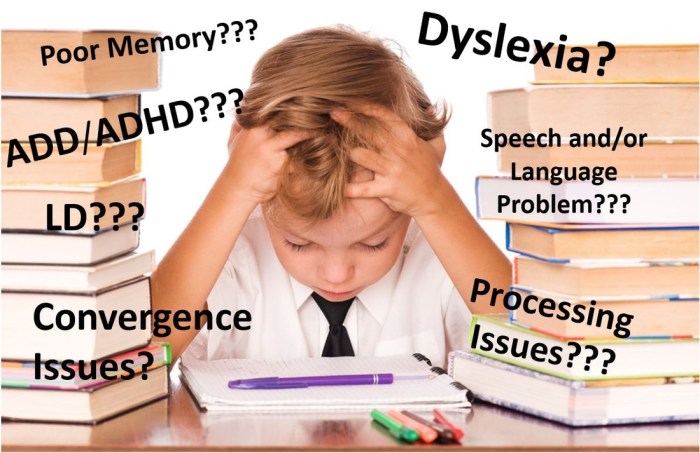
Learning disabilities can have a variety of causes, including genetic factors, brain injury, or differences in brain development. In some cases, exposure to toxins or infections during pregnancy can also contribute to the development of learning disabilities.
Potential Causes of Learning Disabilities
- Genetic factors: Certain genes may increase the likelihood of developing a learning disability.
- Brain injury: Traumatic brain injuries or damage to specific areas of the brain can lead to learning difficulties.
- Brain development differences: Variances in the way the brain processes information can result in learning disabilities.
- Environmental factors: Exposure to toxins or infections during pregnancy can impact brain development and lead to learning disabilities.
Diagnosing Learning Disabilities
Diagnosing learning disabilities typically involves a comprehensive evaluation by a team of professionals, including educators, psychologists, and medical professionals. This evaluation may include assessments of cognitive abilities, academic skills, and social-emotional functioning.
Diagnosis in Children vs. Adults
- Children: Diagnosis in children often involves observing their behavior in various settings, conducting standardized tests, and collecting information from parents and teachers.
- Adults: Diagnosing learning disabilities in adults may involve a review of their academic history, work performance, and self-reported difficulties in learning or attention.
Importance of Early Detection and Intervention
Early detection of learning disabilities is crucial as it allows for timely intervention and support. With early intervention, individuals with learning disabilities can receive the necessary accommodations and strategies to help them succeed academically and socially. Identifying learning disabilities early can also prevent the negative impact on self-esteem and mental health that may result from undiagnosed challenges.
Strategies for Managing Learning Disabilities in Education
When it comes to managing learning disabilities in education, it is crucial to implement various strategies that cater to the unique needs of students with these challenges. By utilizing different teaching approaches, personalized education plans, assistive technologies, and creating inclusive learning environments, educators can effectively support students with learning disabilities in their academic journey.
Different Teaching Strategies for Students with Learning Disabilities
Implementing various teaching strategies tailored to the individual needs of students with learning disabilities can significantly enhance their learning experience. Some effective approaches include:
- Utilizing multisensory techniques to engage different learning styles
- Breaking down complex concepts into smaller, more manageable chunks
- Providing frequent feedback and reinforcement to reinforce learning
Role of Individualized Education Programs (IEPs)
Individualized Education Programs (IEPs) play a crucial role in supporting students with learning disabilities by outlining specific goals, accommodations, and services tailored to each student’s unique needs. These personalized plans ensure that students receive the necessary support to thrive academically.
Examples of Assistive Technologies
Assistive technologies can greatly aid students with learning disabilities in their educational journey. Some examples include:
- Text-to-speech software for students with reading difficulties
- Graphic organizers to help with organizing thoughts and ideas
- Speech recognition software for students with writing challenges
Tips for Creating an Inclusive Learning Environment
Creating an inclusive learning environment is essential for students with learning disabilities to feel supported and empowered in their academic pursuits. Some tips for fostering inclusivity include:
- Encouraging peer collaboration and support
- Providing clear instructions and expectations
- Offering a variety of learning materials and resources
Support Systems for Individuals with Learning Disabilities
Individuals with learning disabilities often require a strong support system to help them navigate challenges and reach their full potential.
Role of Education Counselors
Education counselors play a crucial role in supporting individuals with learning disabilities by providing guidance, advocacy, and personalized strategies to help them succeed academically.
Importance of a Strong Support System
- Emotional Support: Having a strong support system can boost confidence and self-esteem in individuals with learning disabilities.
- Academic Support: Support from teachers, parents, and peers can help individuals with learning disabilities overcome academic challenges and excel in their studies.
- Advocacy: A strong support system can advocate for the needs and rights of individuals with learning disabilities, ensuring they receive appropriate accommodations and resources.
Resources for Individuals with Learning Disabilities
- Special Education Programs: Schools offer specialized programs and services tailored to the needs of students with learning disabilities.
- Tutoring Services: Individualized tutoring can provide extra support and help individuals with learning disabilities improve their academic skills.
- Support Groups: Joining support groups can offer individuals with learning disabilities a sense of community and shared experiences.
Success Stories
“Success is not the absence of challenges, but the ability to overcome them.”
There are countless success stories of individuals who have overcome challenges related to learning disabilities and gone on to achieve great things. These stories serve as inspiration and motivation for others facing similar struggles.
Education Research and Learning Disabilities
Learning disabilities have been a subject of ongoing research in the field of education, with numerous studies shedding light on various aspects of these conditions. Education research plays a crucial role in understanding learning disabilities, identifying effective interventions, and improving outcomes for individuals facing these challenges.
Recent Studies on Learning Disabilities
- Recent studies have focused on the neurobiological basis of learning disabilities, exploring how differences in brain structure and function may contribute to difficulties in processing information.
- Researchers have also investigated the impact of early intervention programs on the long-term academic success of students with learning disabilities, highlighting the importance of timely support.
- Studies have examined the role of assistive technology in supporting individuals with learning disabilities, showcasing how tools like speech-to-text software or graphic organizers can enhance learning outcomes.
Impact of Education Research Journals
- Education research journals serve as a platform for sharing new findings and best practices in the field of learning disabilities, fostering collaboration among researchers, educators, and practitioners.
- These journals contribute to the dissemination of evidence-based strategies for supporting individuals with learning disabilities, helping to bridge the gap between research and practice in educational settings.
Trends in Education Research on Learning Disabilities
- A growing trend in education research is the focus on personalized learning approaches for students with learning disabilities, recognizing the unique needs and strengths of each individual.
- Researchers are also exploring the impact of socio-emotional factors on academic performance in students with learning disabilities, emphasizing the importance of holistic support systems.
Future Directions of Research
- The future of research in the field of learning disabilities is likely to involve interdisciplinary collaborations, drawing on insights from psychology, neuroscience, and education to develop innovative interventions.
- Researchers are increasingly exploring the potential of personalized learning technologies, such as adaptive learning platforms, to provide tailored support for individuals with learning disabilities.
Last Word
As we conclude our exploration of learning disabilities, we reflect on the importance of early detection, effective support systems, and ongoing research to empower those facing these challenges. Dive into these articles to gain a deeper understanding and appreciation for the journey of individuals with learning disabilities.
Question Bank
What are some famous individuals who have succeeded despite learning disabilities?
Answer: Some famous examples include Albert Einstein, Richard Branson, and Steven Spielberg.
How important is early detection in managing learning disabilities?
Answer: Early detection can lead to timely interventions that greatly improve outcomes for individuals with learning disabilities.
What role do Individualized Education Programs (IEPs) play in supporting students with learning disabilities?
Answer: IEPs provide personalized plans and support to help students with learning disabilities thrive in educational settings.
What are some assistive technologies that can aid students with learning disabilities?
Answer: Examples include text-to-speech software, graphic organizers, and audiobooks.
How can educators create an inclusive learning environment for students with learning disabilities?
Answer: Educators can promote inclusivity by adapting teaching methods, providing additional support, and fostering a supportive classroom environment.